
Good to know · British Shorthair
Responsible breeding: good questions, clear information
A lovely cat photograph can spark your interest. A good decision also needs time, understandable information and a view of the animals’ everyday lives. This page offers general questions for anyone considering a British Shorthair. It does not promise a completely risk-free cat or replace reviewing actual documents and obtaining your own veterinary advice.
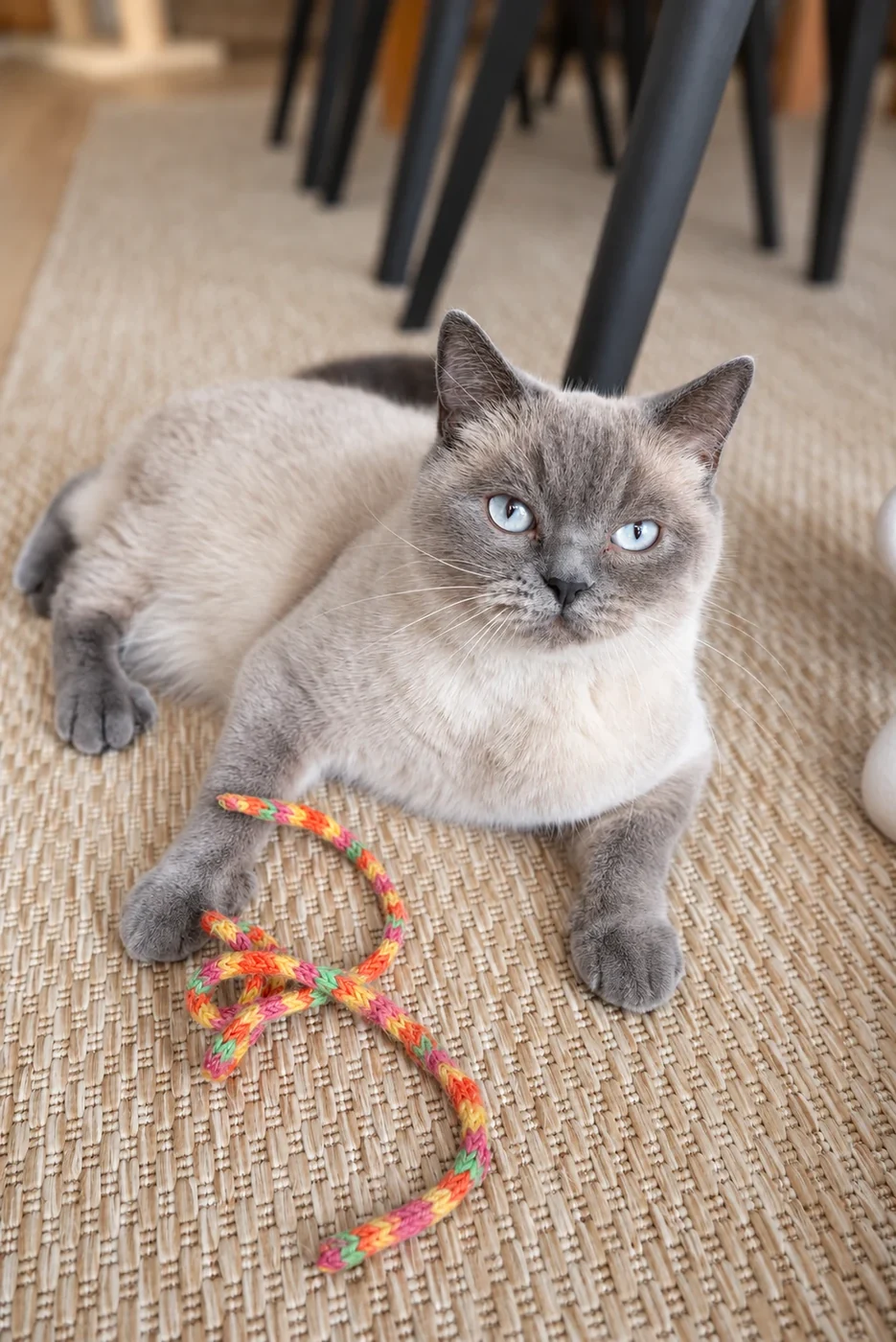
Take your time and ask good questions
A good first meeting starts with everyday life.
- Getting acquainted
- Look at everyday life, behaviour and places to retreat.
- Documents
- Discuss pedigree and health information clearly.
- A new home
- Prepare time, calm surroundings and suitable resources.
Meet the people, the animals and their everyday life
A meeting should give you room to ask questions and listen carefully. Ask to see the kitten’s surroundings and, where possible, meet its mother. Discuss its daily routine and preparations for moving home. International Cat Care recommends also asking specifically about ancestry, registration and potential inherited issues when considering a pedigree kitten. International Cat Care – The Kitten Checklist
You do not need to turn this into an examination. A calm discussion of an ordinary day often says more than a collection of slogans. Which resting places are used? How is a tired or hesitant kitten treated? What would the family placing the kitten like to ask you? Getting to know one another works both ways and does not have to end in an immediate decision.
Distinguish pedigree papers from health documents
A pedigree records the ancestry of a registered animal. It does not replace a medical report. An organised handover therefore brings together different documents without confusing their purposes. Delicat’s rules provide, among other things, for pedigree papers and vaccination records at transfer and describe breeders’ record-keeping duties. Delicat e.V. – Zucht- und Haltungsrichtlinien
A practical folder can be divided into “Identity and ancestry”, “Veterinary documents” and “Everyday care and handover”. Ask which documents relate to the particular cat and which still need to be issued or clarified. If an abbreviation is unfamiliar, ask for an explanation. A long list alone is less useful than a smaller number of clearly identified, understandable records.
Discuss health in clear, specific terms
Specific questions make discussions of screening more useful: which examination is meant, when was it performed, what exactly does it assess, and is there a professional interpretation? HCM and PKD are explained in a separate knowledge article so that general background remains distinct from individual records.
A fair approach takes both preventive care and its limits seriously. One favourable impression is not a guarantee, and a medical term alone is not a reason to assume illness. If a report raises questions, clarification from a veterinary practice is the appropriate next step. Examination documents can be viewed during a viewing appointment. These public knowledge pages do not display individual examination results.
Growing up securely and exploring new things gently
Socialisation does not mean exposing a kitten to as many stimuli as possible at once. Positive experiences, calm encounters and the option to withdraw matter. New sounds, people and handling should be introduced in ways that fit the animal’s response. International Cat Care emphasises voluntary approach and small, pleasant steps. International Cat Care – Caring for your new kitten (2024)
At a meeting, ask for examples: how does the kitten become comfortable with a carrier? What happens when it needs a break? Which familiar habits could make daily life easier later? This helps you build on what it already knows. A cautious kitten does not need persuading, and a curious one still needs rest. The aim is trust, not a performance for visitors.
Prepare your home from the cat’s point of view
Cats need more than entertainment: they also need security, appropriate hiding places and accessible resources. These include resting areas, scratching opportunities and suitable food, water and toileting locations. The Feline VMA describes these needs as the basis of a cat-friendly environment. Feline VMA – Your Cat’s Environmental Needs
Before arrival, walk through an ordinary day. Where can the kitten sleep undisturbed? Who provides care while you are away? How will children or other animals be guided? Have windows, balconies and possible escape routes been checked? Discuss familiar food and litter so that every habit does not have to change at once. Simple, thoughtful preparation is often more useful than many new purchases with no suitable place.
Association rules, clear agreements and an organised transition
Association membership provides a framework of rules and points of contact. It does not replace your own observations or veterinary judgement. Delicat’s husbandry rules address suitable living space, care and veterinary help when illness occurs. Delicat e.V. – Haltungsrichtlinien
Use a short personal handover checklist: are the cat and its documents clearly matched? Have food and habits been discussed? Are unanswered questions written down? Is it clear how to make contact with later questions? Are the agreed next steps understandable? Take time to resolve uncertainty before making a commitment. A responsible decision means preparing a suitable home with reliable information rather than being guided by time pressure or one attractive photograph.