
Good to know · British Shorthair
Preventive care & vaccination: a plan for the individual cat
Preventive care is more than a stamp in a vaccination booklet. It combines discussions, examinations and protection suited to a cat’s lifestyle. This is general background for a conversation with your veterinary practice. It deliberately provides no doses, no do-it-yourself vaccination calendar and no statement about the vaccination status of individual cats in our family.
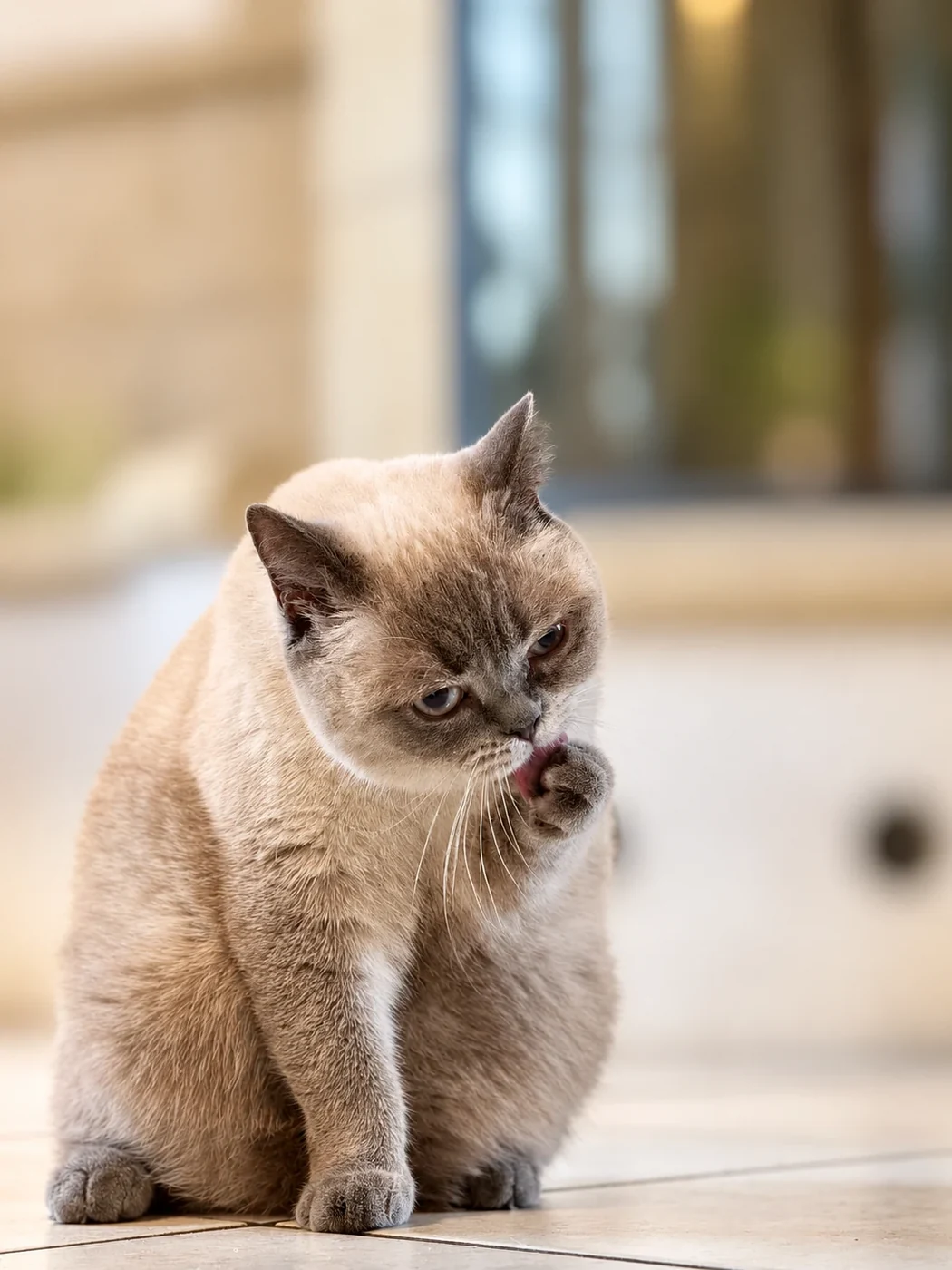
A clear view of preventive care
A plan that fits the cat.
- Core protection
- Know the key infections and vaccination protection.
- Risk
- Consider lifestyle and contact with other animals.
- Veterinary plan
- Agree on timing and next steps together.
What “core” and “non-core” mean
Core vaccines concern fundamental protection; non-core vaccines are considered according to individual risk. These terms support decisions and do not mean that an additional vaccine is unimportant. Global guidance also needs to be applied to local circumstances. WSAVA – Vaccination Guidelines 2024
For cats in Germany, protection against feline panleukopenia, herpesvirus and calicivirus is central to veterinary vaccination discussions. Germany’s StIKo Vet guidance was updated as its sixth edition in 2025. StIKo Vet am FLI – Leitlinie zur Impfung von Kleintieren, 6. Auflage (06.01.2025) Friedrich-Loeffler-Institut – Aktualisierung der Impfleitlinien, 21.02.2025
Bring previous records and describe your cat’s actual life: indoors, a secure garden, outdoor access, other animals, boarding or travel. This turns general recommendations into an understandable individual decision.
Distinguishing panleukopenia from respiratory disease
Feline panleukopenia is caused by feline parvovirus, abbreviated FPV. It can be particularly serious in young cats. FPV is included in common combination vaccines. Cornell Feline Health Center – Feline Panleukopenia Virus
“Cat flu”, in contrast, does not refer to one single pathogen. Herpesvirus and calicivirus are important contributors. Vaccination can improve protection and reduce disease severity without preventing every infection. Cornell Feline Health Center – Respiratory Infections
When looking at a vaccination booklet, ask which components are recorded. An abbreviation on a vaccine label is less useful than a clear discussion of the diseases addressed and the next steps planned. You should be able to understand the record without having to guess what the letters mean.
Why kittens may need several appointments
Young kittens receive maternal antibodies through their first milk. These can initially provide protection while also affecting the response to certain vaccines. Primary vaccination is therefore planned by a veterinarian as an appropriate sequence rather than assuming that one injection automatically provides complete protection. WSAVA – Vaccination Guidelines 2024
When a kitten moves home, it is particularly useful to distinguish vaccinations already given from appointments still due. Ask the previous and future veterinary practices to transfer information clearly. Do not postpone appointments solely because of a general internet schedule or add a vaccination yourself. What matters is the individual animal, the vaccine used and the professional plan.
Discussing FeLV, rabies and other risks
Additional preventive measures depend on factors including age, contacts and housing. FeLV vaccination is assessed in relation to infection risk and appropriate prior testing. Travel can also change the protection and documents needed. StIKo Vet am FLI – Leitlinie zur Impfung von Kleintieren, 6. Auflage (06.01.2025)
A useful preparation is a short list: does another cat in the household go outdoors? Is boarding planned? Will you travel? Are there new animals or changes at home? Mention these changes during the consultation. If recommendations appear contradictory, ask which risk is being assumed and which guidance is being applied. A plan explained for your household is more helpful than the longest possible list of vaccine products.
Antibody tests answer a specific question
An antibody test is not automatically a complete “vaccination check”. Its meaning and usefulness vary by pathogen and test. FPV antibody testing can help with certain vaccination decisions; for FHV and FCV, antibody levels reflect protection much less reliably. Interpretation therefore belongs in a veterinary consultation. ABCD – Vaccination and antibody testing; reviewed 19.11.2025
Before testing, ask which decision the result could change. Is an uncertain history being clarified? Is the question about one vaccine component or a particular health situation? A clearly stated purpose makes the result easier to understand and helps prevent conclusions that the test was never designed to support.
A preventive visit considers the whole cat
A suitable vaccination plan weighs benefits against possible risks; no vaccine completely protects every cat in every circumstance. Cornell Feline Health Center – Feline Vaccines: Benefits and Risks Care also includes discussing previous treatment, food, parasite prevention and changes in daily life. After a cat moves home, its available history should be discussed with your own practice early on. Cornell Feline Health Center – Choosing and Caring for Your New Cat
Brief observations are more useful than guesses: what has changed, since when and how often? Keep reports and the vaccination booklet together. Record agreed appointments clearly enough for another caregiver to understand them. New symptoms are a separate reason to contact the practice and should not simply wait until the next scheduled vaccination visit.
Understand the records rather than assuming protection
For your conversation, prepare three columns: “Already documented”, “Still to clarify” and “Next agreed step”. Record only what is actually supported by documents or veterinary advice. Note unanswered questions as carefully as answers. This keeps confirmed information separate from matters still to discuss.
Examination documents can be viewed during a viewing appointment. This general guide does not replace individual vaccination advice or certify the status of any particular animal. Its purpose is a calm, informed conversation: you should be able to understand the preventive care a cat has received and how further care will be planned with your own veterinary practice.
Sources & further reading
- WSAVA – Vaccination Guidelines 2024
- StIKo Vet am FLI – Leitlinie zur Impfung von Kleintieren, 6. Auflage (06.01.2025)
- Friedrich-Loeffler-Institut – Aktualisierung der Impfleitlinien, 21.02.2025
- Cornell Feline Health Center – Feline Panleukopenia Virus
- Cornell Feline Health Center – Respiratory Infections
- ABCD – Vaccination and antibody testing; reviewed 19.11.2025
- Cornell Feline Health Center – Feline Vaccines: Benefits and Risks
- Cornell Feline Health Center – Choosing and Caring for Your New Cat